
Activity data is personal data
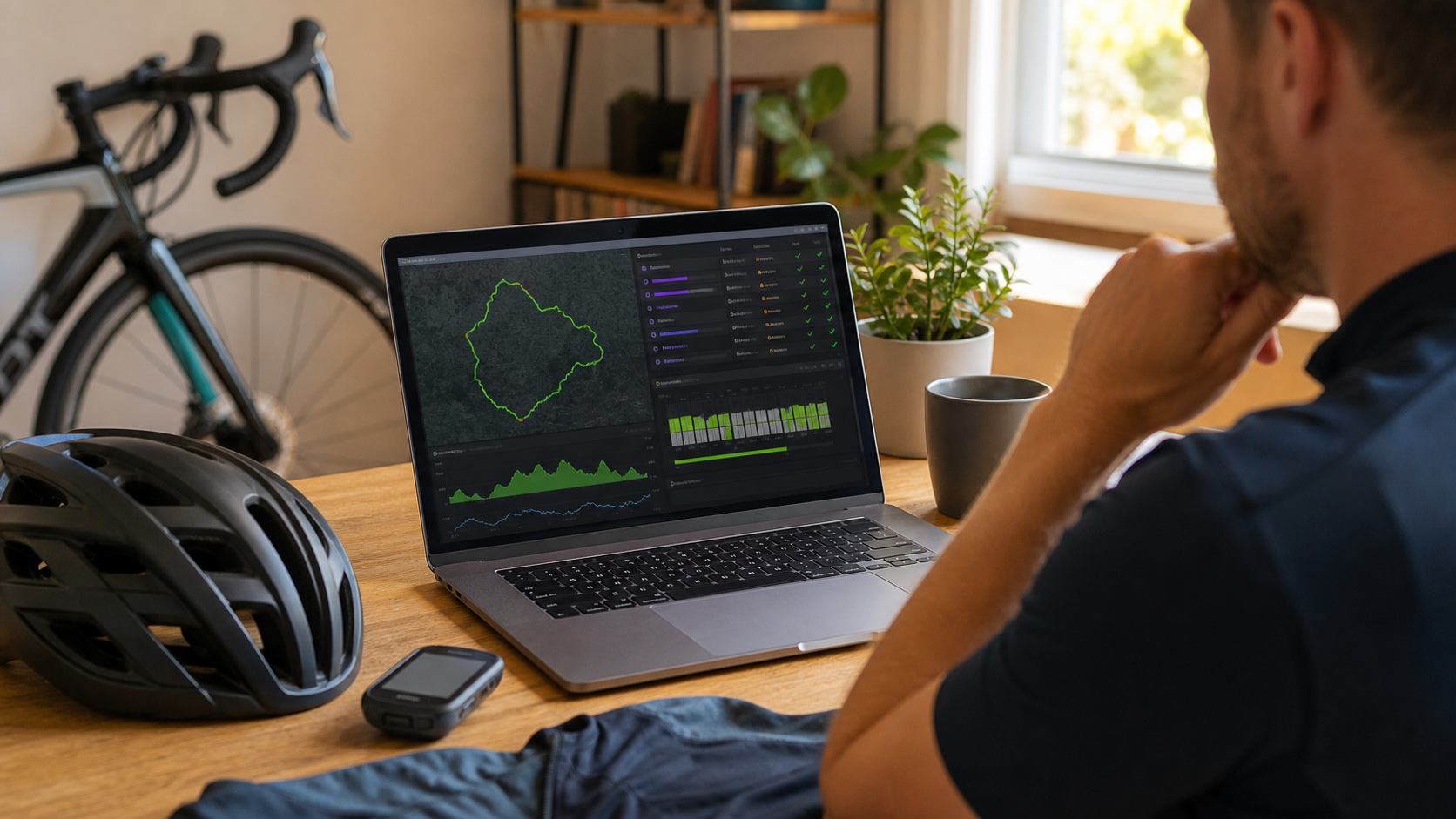
A FIT file can include more than a route. It may contain timestamps, GPS coordinates, altitude, heart rate, cycling power, cadence, temperature, device details, and repeated location patterns. Even a simple ride can reveal where someone lives, trains, works, or travels.
That is why FIT Repair Studio was built as a local macOS app rather than a mandatory upload service. The website explains the project and hosts the download, but the repair workflow happens on your Mac.
Open source makes the repair process inspectable
When a repair tool is open source, users and developers can inspect the logic. They can see how the app parses FIT messages, how it handles CRC repair, what it writes into the repaired copy, and whether it sends data anywhere.
That matters for trust. A closed tool may still be honest and useful, but an open-source tool gives technically minded users a way to verify behavior directly. It also lets other developers improve parsing, add tests, fix edge cases, and review changes.
Free download, voluntary support
FIT Repair Studio is free to download and use. The public source code is available on GitHub under the MIT License. Payment is not required to repair a file, inspect the code, or build the app locally.
The project accepts voluntary support because real maintenance costs exist: Apple Developer Program membership, notarized macOS builds, hosting, bandwidth, and time spent improving the tool. Donations help, but they do not unlock features and they do not change the open-source nature of the app.
A practical recovery tool, not a data platform
The goal is focused: help recover malformed FIT files that Strava or another service refuses to process, especially when common CRC/checksum issues are the blocker. FIT Repair Studio is not trying to become a training platform or social network.
That focus keeps the product simple. Open the damaged FIT file, inspect what can be read, repair common structure problems, save a corrected copy, and try the upload again. For many athletes, that is the difference between losing a meaningful activity and keeping the record of the day.